


Nanga Parbat
- Nanga Parbat (Rupal Face) Expedition
- Region
- Period
- Region
- Comfort
Tour Details
Duration of Trek: 50 Days
Mountain Range: Himalaya
Season: May to August
Maximum Elevation: 8,125 meters (26,660 feet)
OVERVIEW & ITINERARY
Details
Nanga Parbat, also known as the “Naked Mountain,” is one of the most formidable peaks in the world, standing at 8,125 meters (26,660 feet). Located in Pakistan’s Himalaya, Nanga Parbat is the ninth-highest mountain on Earth and offers one of the toughest challenges for mountaineers.
The mountain is famous for its massive, steep Rupal Face, which rises an incredible 4,600 meters above its base, making it the highest mountain face in the world. Historically, it has been a destination for climbers seeking to conquer one of the most dangerous and demanding summits.
ITINERARY– Nanga Parbat (Rupal Face) – 50 days
Arrive in Islamabad, and transfer to your hotel. Rest and prepare for the upcoming expedition.
Attend a detailed briefing at the Ministry of Tourism, where you’ll receive important information about the trek, safety protocols, and the itinerary.
Drive to Chilas, a picturesque town at the base of the Himalayas. Check into your hotel and relax before starting the trek.
Travel by jeep to Tarishing, where your trek begins. Set up camp for the night amidst the stunning mountain scenery.
Begin the trek towards Nanga Parbat Rupal Face Base Camp, where you’ll set up your camp and acclimatize to the high altitude.
Arrive at the Rupal Face Base Camp, take a rest day, and begin the acclimatization process to prepare for the climb.
This period is dedicated to climbing activities. Climbers will undergo acclimatization, rest days, and attempt the summit, weather permitting.
This phase focuses on the final push towards the summit, with challenging conditions at high altitude. It includes additional acclimatization, rest, and summit attempts.
Continue your ascent with the support of experienced guides and porters. Additional days for acclimatization and challenging summit attempts.
After summiting (or depending on progress), begin your descent back to Tarishing for the final phase of the journey.
Drive back to Gilgit or Chilas, relax at your hotel, and reflect on your accomplishment.
Return to Islamabad for a debriefing session and to prepare for your departure.
Attend the debriefing session at the Ministry of Tourism to share your experiences and receive a completion certificate.
After the expedition, depart for your onward journey, carrying unforgettable memories of an incredible mountaineering adventure.
HIGHLIGHTS
Nanga Parbat (Rupal Face) Expedition
Climb Nanga Parbat: Conquer the second-highest peak in Pakistan and one of the most challenging mountains in the world.
Rupal Face: Trek and climb the world’s highest mountain face, rising 4,600 meters above the base.
Unforgettable Views: Experience breathtaking panoramas of the Himalayas and Karakoram ranges.
Historical Significance: Follow in the footsteps of legendary climbers and explorers who paved the way for this ultimate mountaineering challenge.
Base Camp Experience: Set up camp at the Rupal Face Base Camp, one of the most stunning and remote locations in the world.
Cultural Encounters: Pass through local villages and experience the hospitality of the people of Gilgit-Baltistan.
Prices & Other Options –Nanga Parbat (Rupal Face)
| Trekking Options in Shimshal | Price (USD) | Deposit | Min Pax |
|---|---|---|---|
| Short Treks | |||
| K 2 Expedition Tour (12 days) | US$1,560 | US$450 | 4 pax |
| Shimshal Pass Trek (10 days) | US$1,200 | US$350 | 4 pax |
| Minglik Sar Peak (9 days) | US$1,050 | US$300 | 4 pax |
| Medium & Hard Treks | |||
| Trango Base Camp Trek (14 days) | US$1,890 | US$500 | 4 pax |
| Minglik Sar Peak (9 days) | US$1,050 | US$300 | 4 pax |
| Climb Trekking Peaks | |||
| Minglik Sar Peak (9 days) | US$1,050 | US$300 | 4 pax |
| Minglik Sar Peak (9 days) | US$1,050 | US$300 | 4 pax |
Map/Route – Nanga Parbat (Rupal Face)
GALLERY
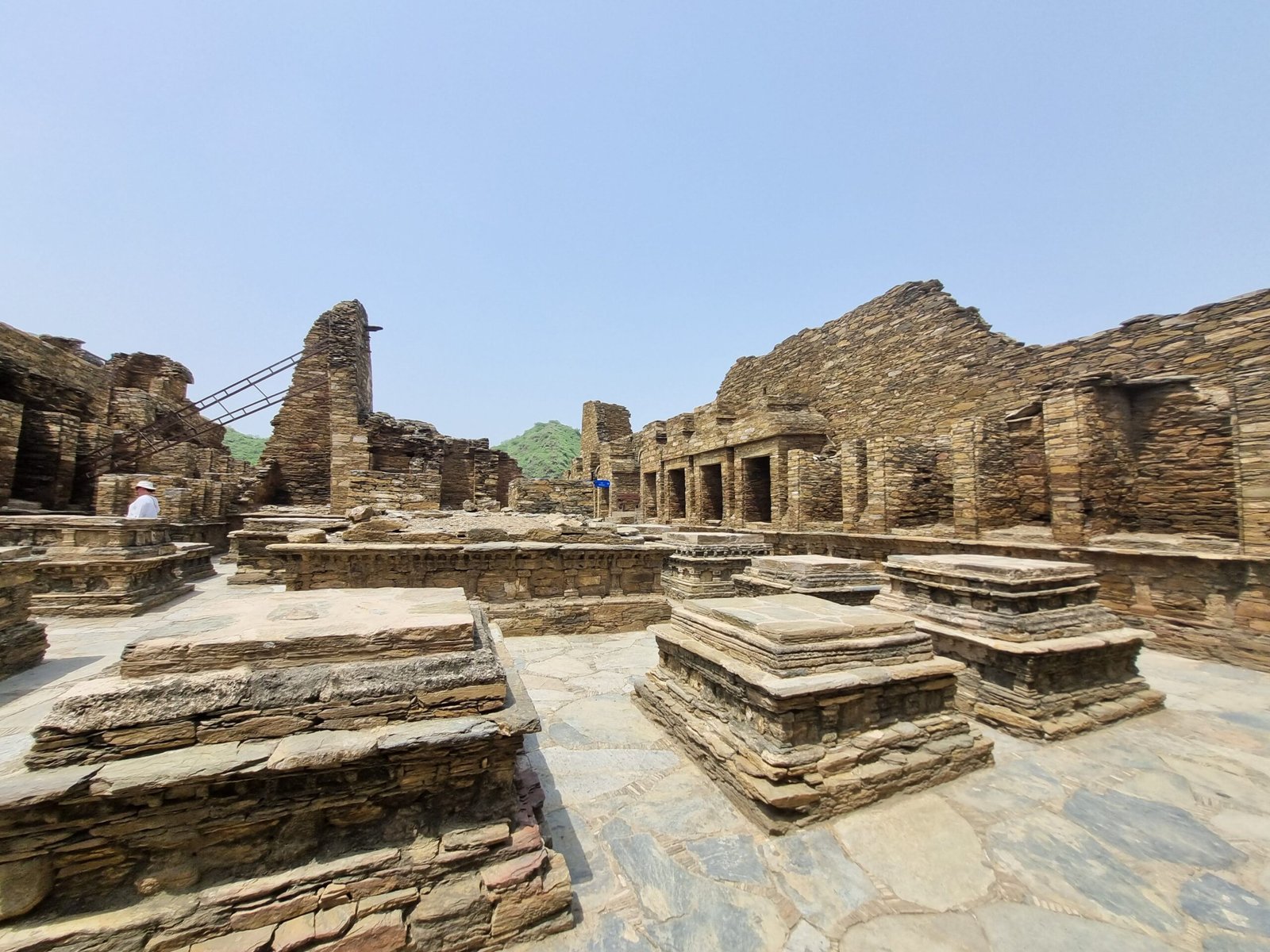
- Region
- Period
- Region
- Comfort
Tour Details
Duration of Trek: 50 Days
Mountain Range: Himalaya
Season: May to August
Maximum Elevation: 8,125 meters (26,660 feet)
Frequently asked questions
The best time for this expedition is between May to August, when weather conditions are most favorable.
Nanga Parbat is a high-difficulty climb (Grade E) requiring previous high-altitude mountaineering experience.
Essential items include climbing gear, high-altitude clothing, sleeping bags, personal medical supplies, and a detailed packing list will be provided.
Yes, prior experience with high-altitude trekking and climbing is required due to the challenging nature of Nanga Parbat.
The total duration of the climb is about 50 days, including both ascent and acclimatization periods.
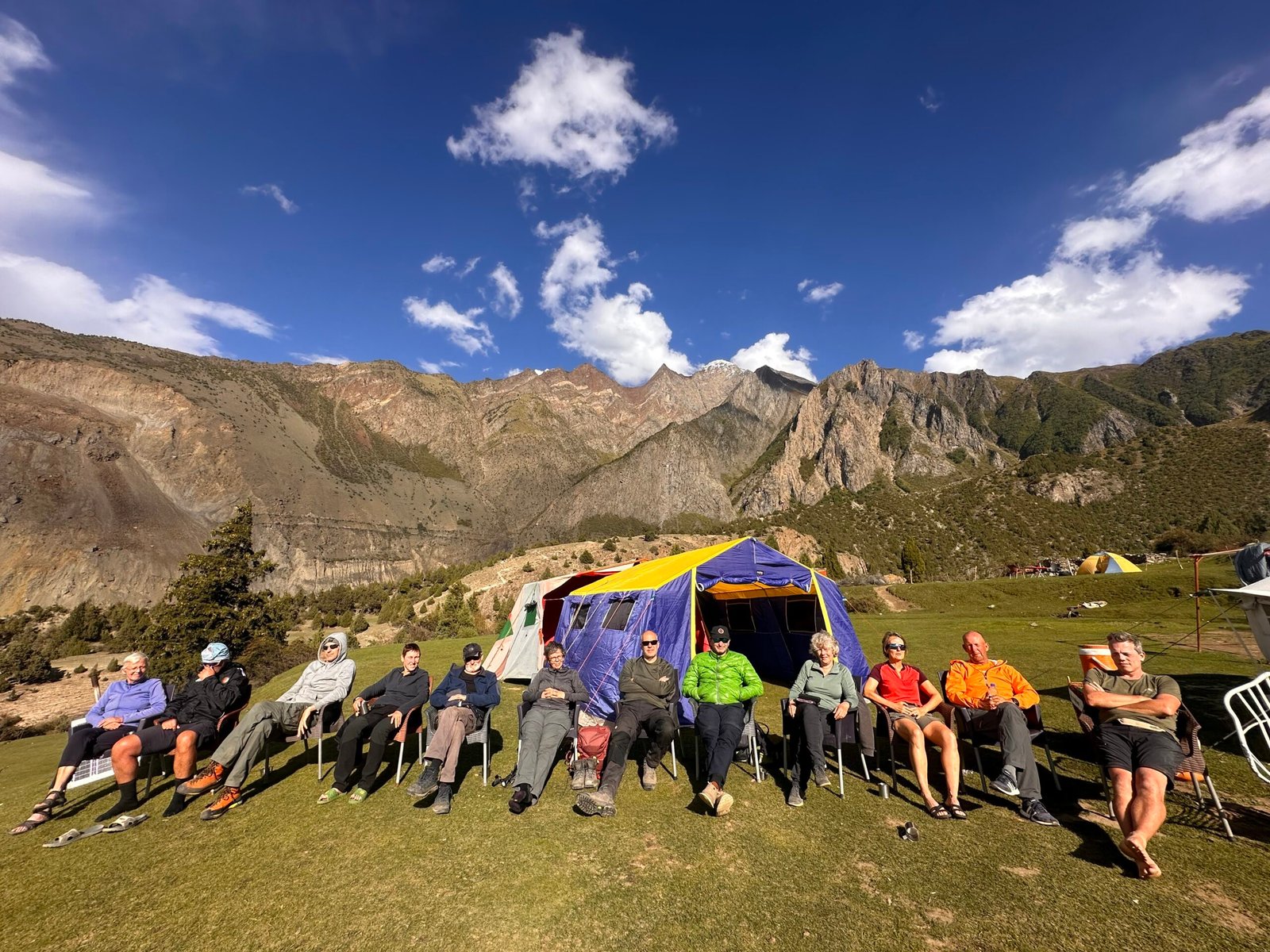
Most of the trek involves camping at designated campsites, including Rupal Face Base Camp.
Our guides and porters are highly experienced in high-altitude expeditions and will ensure your safety and comfort during the trek.
If you are unable to summit, you will still have an incredible trekking experience and will return with memories of one of the most challenging and beautiful regions in the world.